



Wool research can help leather too
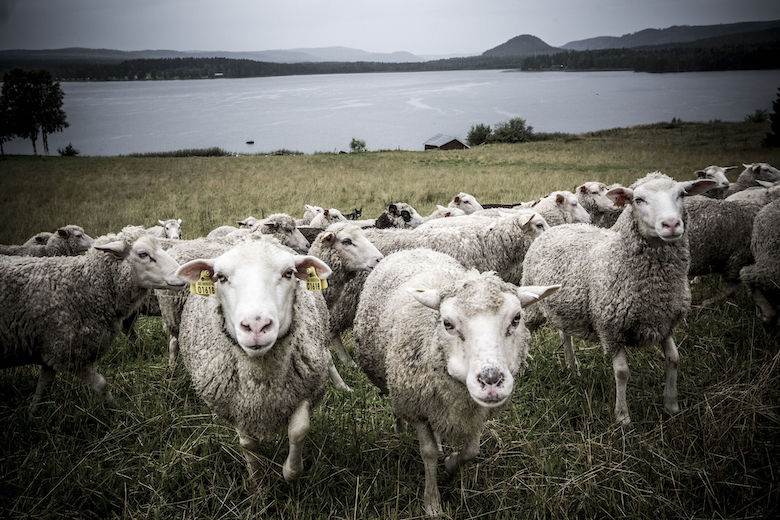
A peer-reviewed scientific journal, Agricultural Systems, has published new research on wool’s environmental impact. The International Wool Textile Organisation (IWTO) said that the research demonstrates that, when biogenic carbon flows are accounted for, wool’s net emissions are significantly reduced when compared to an emissions-only approach.
Consumption of fossil fuels puts into the atmosphere carbon that had been stored for millions of years. With biogenic carbon, living organisms, including sheep, absorb carbon from the plants they eat and return a high proportion of it to nature for it to be reabsorbed.
Using six previously published wool production case studies, the researchers re-estimated carbon footprints, this time including biogenic factors. They found that wool’s carbon intensity reduced by between 39% and 102% depending on the scenario.
By including biogenic carbon in assessments, a truer, more balanced understanding of emissions is revealed, ITWO said. Secretary general, Dalena White, commented: “This publication in Agricultural Systems represents a watershed moment for the wool industry.”
Secretary to the International Council of Tanners (ICT), Dr Kerry Senior, explained that current data sets do not reflect the latest standards, such as ISO-14067 or EN-18027 and greatly overestimate the impact of biogenic materials, like leather, as well as wool.
He said: “Linear, accumulative models do not work for biological systems.”
Image: All New Sweden.


